
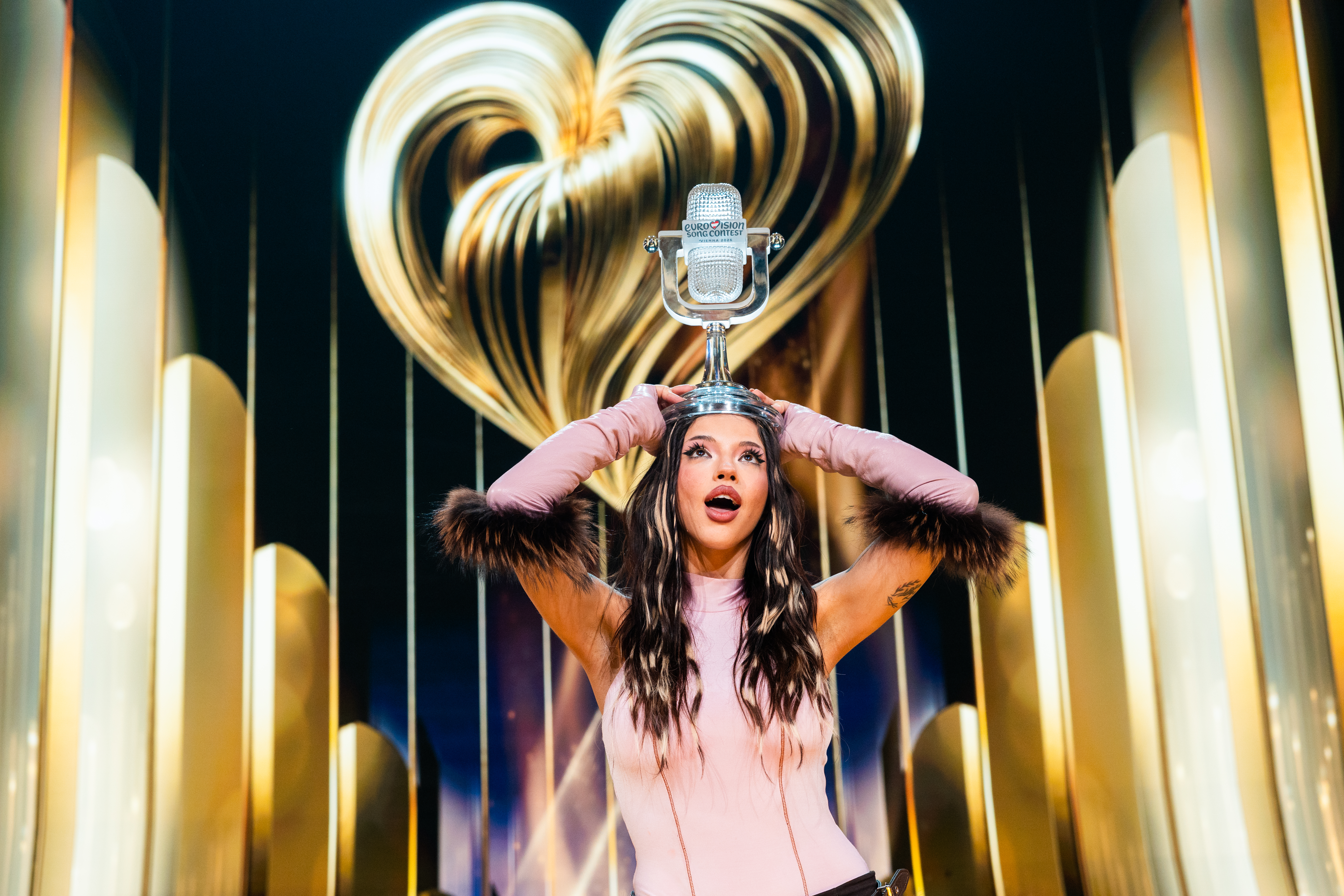
Eurovision 2026 that took place in May has generated €77.2 million combined value for Austria. This is according to a new study by the Austrian Institute of Economic Research (WIFO), which was commissioned by the city of Vienna.
The numbers broken down
€77.2 million was made to Austria, while Vienna got €59 million in value. The event contributed €86 million; €33 million was made in tourism and taxes. €1.41 in value was added for every euro spent, which was spent by the host organisations. Beyond the financial value, 990 jobs were created linked to the event.
The breakdown of gross value added showed 18.0% of added value within the accommodation and hospitality sector, 14.0% value added within business services such as security and event organisation, 8.9% added value in Transport and logistics and 8.1% added value in the retail sector.
60% of visitors to Vienna came from abroad, showing the wider and growing popularity of the city. 76% of Viennese residents rated what they were doing in the week of Eurovision as worth it, a rise of 67% compared to if Eurovision was not happening. Regarding the impact of visitors to the contest, about 58,000 ticket holders travelled from outside Vienna. Overnight guests stayed around 4 nights, which was twice the expected 2.3-night average; 78% of visitors would recommend Vienna and 77% would visit again.
How does this compare to 2015?
The WIFO had looked back at when Vienna last hosted in 2015. WIFO had created a hypothetical Vienna showing what would happen if Vienna hadn’t hosted the contest in 2015, which showed that international stays in Vienna were on average around 560,000 a year and were 4.8% higher than if the contest had not been hosted in 2015. This, over the 3 years, added up to around 1.7 million extra overnight stays. 6.4% more overnight stays in May and June 2026 than in Eurovision week during the 2025 show in Malmo.
Vienna as a whole
Not everyone spent their Eurovision experience within the arena. Eurovision Village at Rathausplatz recorded around 120,000 visits even with the mixed weather, and there were 39 public-screening locations in 15 districts, letting people enjoy their own community watch parties. 50,000 of these visits were to the side events, where people who did not attend the venue. Vienna felt the welcome of the contest, with 76% of Viennese residents feeling satisfied with what they were doing during the contest compared to 67% without the contest. 45% were proud that Vienna was able to represent the openness and the diversity of the event.
What does the data show?
This shows overall growth and a positive impact that the contest has had on Vienna. The survey combined all the stats and elements of surveys of visitors, participating organizations and residents along with both using ticketing and mobile-phone data along with official tourism statistics. The methods used for this study included the Synthetic Control Method, along with analysing the longer-term impact from the 2015 contest.
The story of Eurovision 2026
The journey to the 2026 Eurovision Song Contest kicked off immediately following JJ’s win in Basel, when Austria’s ORF accepted the rights to host the 70th edition of the contest. The bidding process started in June, with interested cities having until July 4 to submit their bid book. Innsbruck and Vienna were shortlisted, with the latter winning the right to host next year’s contest. 35 countries will took part in the competition, the lowest number of competing entries since 2004.
As for the organisation of the competition, the ‘core team‘ was revealed in June 2025. The shows took place on May 12th, 14th and 16th with DARA winning the show with a total of 516 points with the song ‘Bangaranga’.
What did you think of Vienna’s 2026 hosting? Did you go to Eurovision 2026? As always, let us know what you think. Also, be sure to follow ‘That Eurovision Site’ on Facebook, Twitter, Instagram, TikTok, Threads and Bluesky for all things Eurovision!
News Source: EBU
Photo Credit: Corinne Cumming/EBU
 Rory Gannon
 Thomas James