
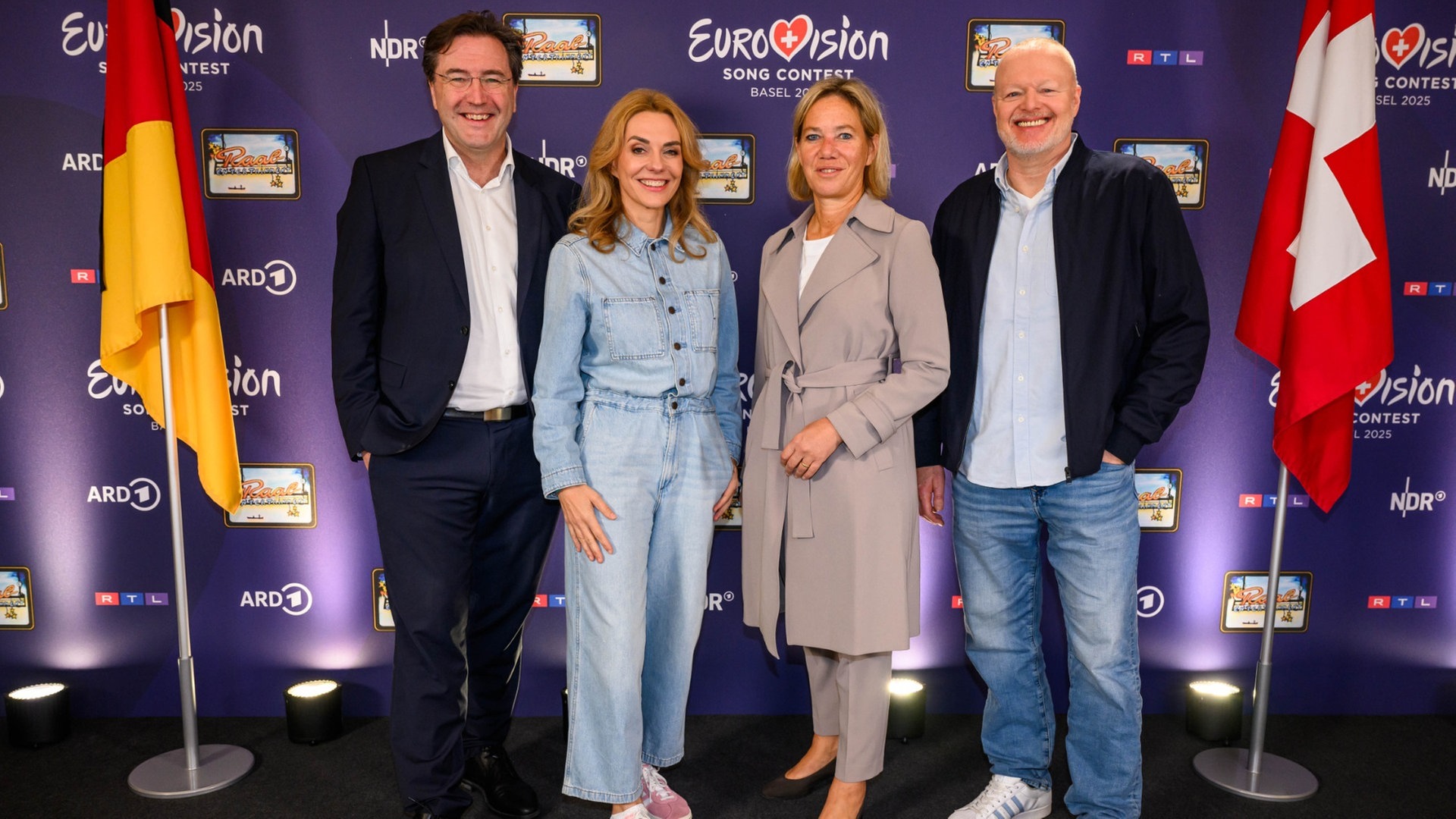
In a recent wide-ranging interview with Hörzu, ARD Director of Programming Christine Strobl was asked about the expectations and future of Chefsache ESC, the new national final format for Germany. Strobl said that the goal is to win Eurovision, and that only a victory justifies this kind of collaboration.
A win or nothing for Chefsache ESC
It basically is just confirming what was said at the press conference, but it is notable anyways: Strobl from the ARD has reaffirmed that the aim of Chefsache ESC is to win. She describes working with RTL and Raab as an unusual move, and that only a win could justify it. While Strobl says that no one is contemplating what will happen if Germany doesn’t win in 2025, she does answer affirmatively when asked if not winning means this format will be put “back on ice”.
What we know about Chefsache ESC
Chefsache ESC is the new national final format for Germany. It is an unlikely collaboration between public broadcaster ARD and commercial broadcaster RTL, pitched and led by Stefan Raab. This kind of collaboration last happened also with Raab, and led to the memorable victory of Lena in 2010. After a break from TV the producer is now back and once again hopes to bring his country Eurovision glory. The format will consist of four shows starting February 14th, with the final airing on the 1st of March. Rounds 1, 2, and 3 will air on RTL while the final will be broadcast on ARD. There have been over 3000 applications for only 24 spots in the national final. A limited amount of tickets are still available for some shows.
Germany’s Eurovision journey
Germany has been part of Eurovision since the beginning, debuting in 1956. Their debut entries were Walter Andreas Schwarz’s “Im Wartesaal zum großen Glück” and Freddy Quinn’s “So geht das jede Nacht”. Germany has appeared at every Eurovision except for 1996, which means they have been at more Contests than any other country. They have a long history of success in Eurovision, finishing in the top 3 an impressive 13 times. Germany has won the contest twice: Nicole won in 1982 with her song “Ein bißchen Frieden”, taking home 161 points. Their second win came in 2010, when Lena scored 246 points with her song “Satellite”.
Germany’s most recent Eurovision entry was Isaak with “Always on the Run”. As Germany is part of the Big 5, they automatically qualified for the Grand Final. In the Final, the song received 117 points and finished in 12th place – the first time the country has finished on the left hand side of the scoreboard since 2018.
Who would you like to see at Chefsache 2025? Will the change in format bring Germany a Eurovision win? As always, please let us know what you think by getting involved in the comments below. Also, be sure to follow ‘That Eurovision Site’ on Facebook, Instagram, Twitter, TikTok, Threads, Tumblr, and Bluesky for more information about Eurovision 2025!
News Source: Hörzu
Photo Credit: eurovision.de
 Rory Gannon
It has to be said that this is probably an exaggeration. 😀 If the show gets good ratings and, with a bit of luck, Germany achieves a good result, let’s say top 10, I can imagine that the cooperation will continue, even if Germany don’t win, but tbh I would have expected such a statement from Stefan Raab rather than from the ARD program direction, no idea what they imagine, “oh we came 12th in 2024, then Stefan Raab can also win briefly for us, no problemo!” Even if Stefan Raab finally brings some experience to the table, there is still the German broadcaster, who tries Eurovision year after year without any passion and regularly fails (with some exceptions).